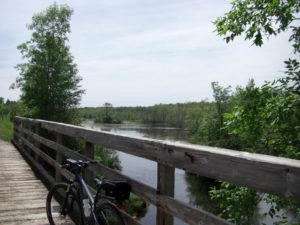
Securing public-use trails, including amenities such as bathrooms and shelters, is essential for maintaining safe, clean, and enjoyable spaces for hikers, families, and outdoor enthusiasts. Trail managers and park authorities often face challenges with vandalism, theft, and general misuse of facilities, which can diminish the quality of the outdoor experience and increase maintenance costs. To address these concerns, it is important to combine thoughtful design, durable materials, and practical security measures that both protect the facilities and allow public access. One key approach is investing in strong, resilient structures. For instance, installing a 24-inch exterior steel door on restroom buildings or small trail shelters can significantly reduce the likelihood of forced entry or damage. Steel doors are resistant to break-ins, weather, and general wear, making them ideal for remote or high-traffic areas where standard wooden doors might be easily damaged or vandalized.
Effective Trail Security
 Alongside durable doors, effective trail security starts with strategic site planning. Locating shelters and bathrooms in areas that are visible from main paths or nearby trailheads discourages misbehavior by creating a natural sense of supervision. Lighting also plays a role—solar-powered or motion-activated lights increase visibility during dusk or dawn without requiring extensive electrical infrastructure. For more isolated trails, natural surveillance through positioning of amenities near frequently traveled areas allows hikers and volunteers to act as informal guardians, further reducing the risk of vandalism. Combining these design elements with durable construction, including reinforced steel doors, helps create facilities that are both welcoming and secure.
Protecting Trail Amenities
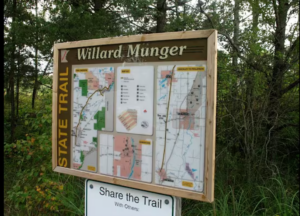 Another important factor in protecting public trail amenities is regular maintenance and quick repair of any minor damage. Studies have shown that well-maintained facilities are less likely to be vandalized because potential offenders perceive the space as cared for and monitored. Providing clear signage about proper use and local regulations also reinforces responsible behavior. For example, signs noting that restrooms are monitored, that shelters are for day use only, or that cameras may be present act as subtle deterrents. While overt surveillance may not always be feasible in public trails, the presence of secure fixtures like a 24 inch exterior steel door communicates that the space is protected, reducing opportunities for malicious activity.
Community Engagement
Community engagement can also play a crucial role in trail security. Volunteer programs, “adopt-a-trail” initiatives, and organized stewardship groups encourage local residents and frequent trail users to take ownership of the space. When communities are invested in the well-being of their trails, there is often less vandalism and a stronger culture of respect for public amenities. Combining community involvement with strong physical security measures ensures that public facilities remain safe, usable, and attractive for all visitors.
Securing public-use trails requires a combination of durable construction, smart design, proactive maintenance, and community involvement. Installing resilient features such as a 24-inch exterior steel door for bathrooms or day-use shelters provides robust protection against vandalism, while strategic placement, visibility, and regular upkeep reinforce safe use. By addressing both human behavior and structural security, trail authorities can create an environment where visitors feel welcome and protected, ensuring that public trails remain enjoyable for generations to come.
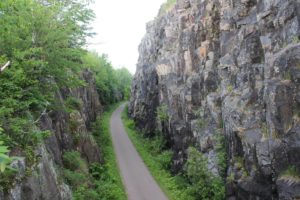 All over the U.S. there are places that have dedicated trails for people to use for recreational activities. Some of these trails are paved, many are not, but they all share one common feature; they are designed for people who want to get out of the house and stay active. They are for bicyclists, roller bladers, skate boarders, joggers, and anyone else who wants to take part in them. One of the largest, most popular paved trails is located in Minnesota. It is the very popular Willard Munger State Trail and it is truly something to enjoy for all who want to explore it.
 The activities you can enjoy on these trails is completely up to you. You have the opportunity to walk, bike, and in-line skate during the warm weather months. During the winter time when snow covers the ground, snowmobilers and skiers are also welcome to venture out to the trails. While you are getting your exercise or riding along, you can enjoy an abundant amount of natural beauty along the way. There are rocky cliffs, forests, waterfalls, and even a swinging suspension bridge for you to enjoy if you are in the northern part of the trails. In the south, you can see rural landscapes, rustic towns, lakes, rivers, and the General C.C. Andrews State Forest.