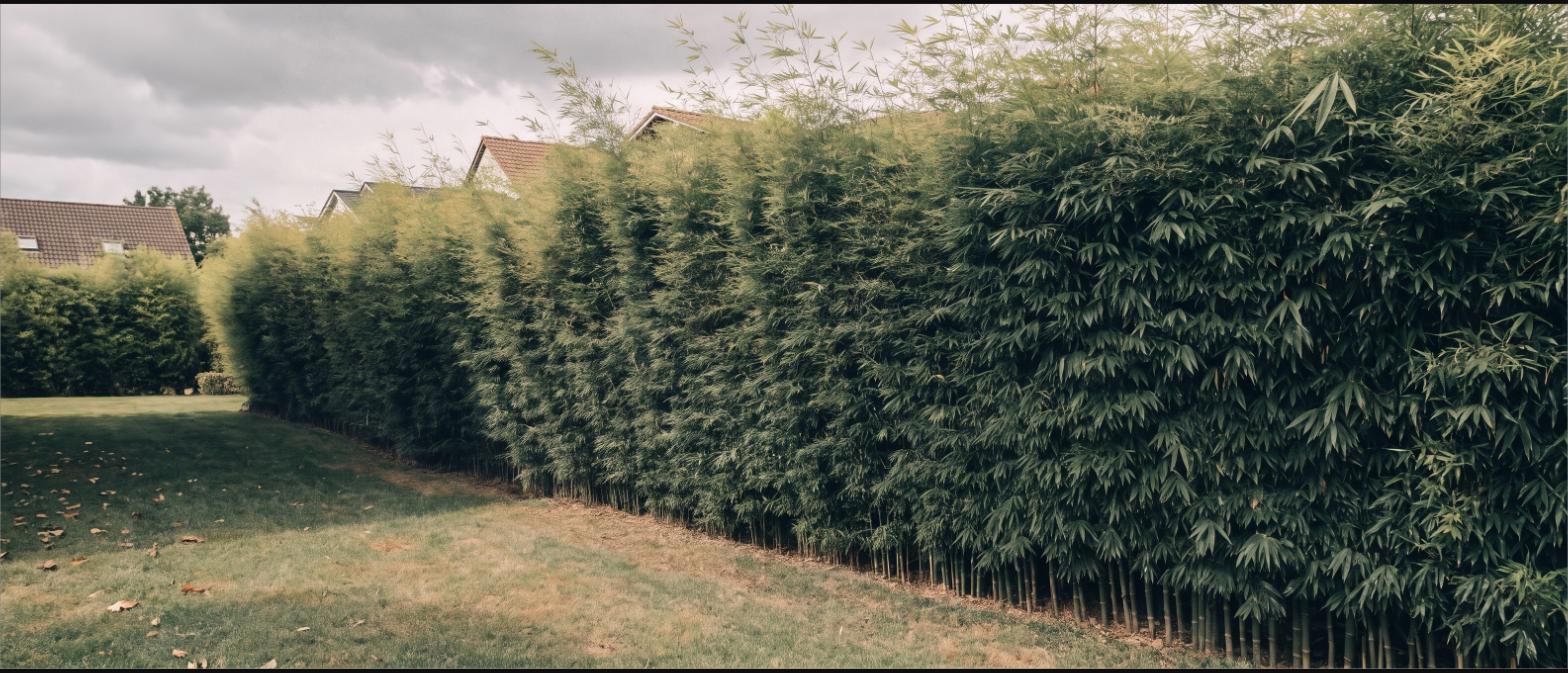
Living beside a rail-trail is mostly a gift. You get a paved corridor out your back gate, wildlife that treats the old railbed as a highway, and neighbours who wave. The one catch, and every trailside homeowner eventually mentions it, is that from May to October there is a steady procession of people passing your back yard at eye level.
Why a Living Screen Beats a Taller Fence
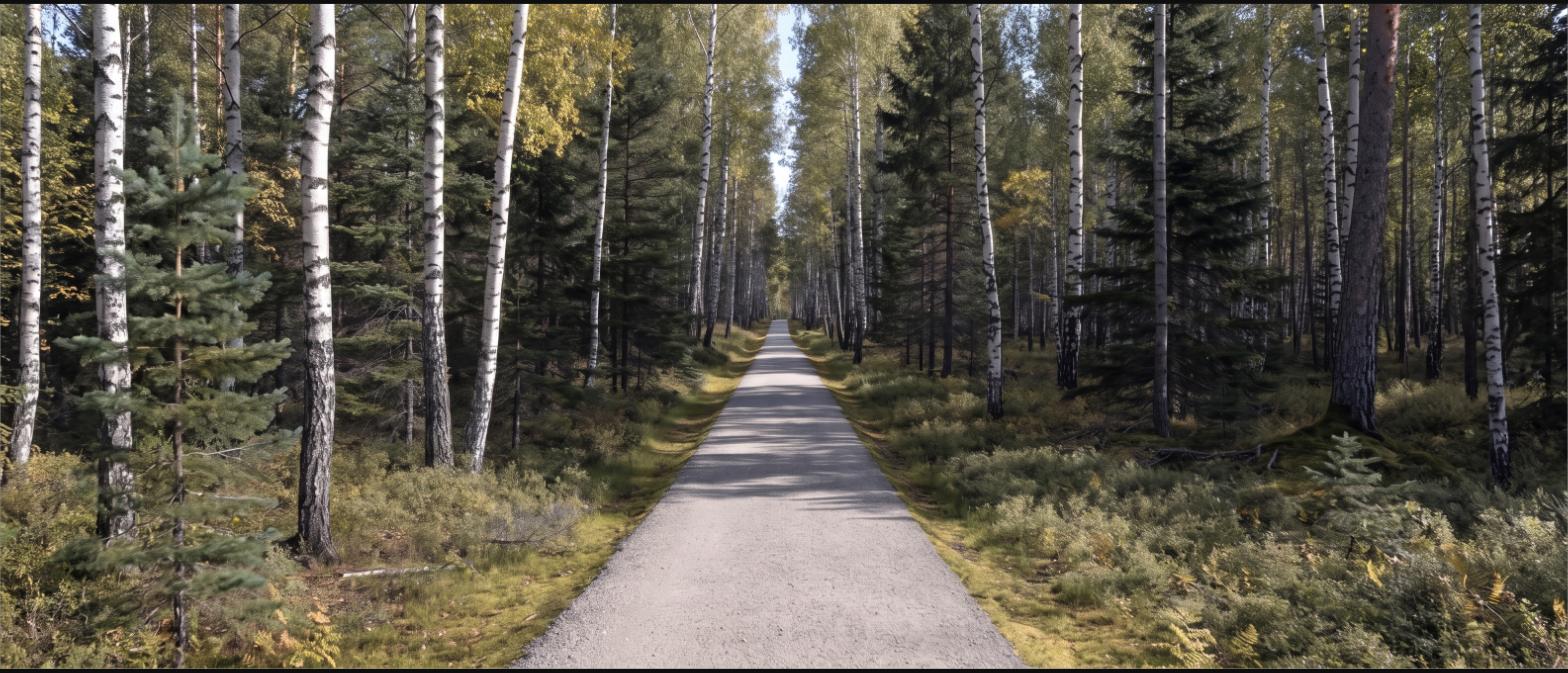
The instinct is to build higher. Most townships cap rear fences somewhere around six feet, which is rarely enough to break a sightline from a raised railbed, and a tall board fence turns a friendly boundary into a wall. Planting instead softens the edge, absorbs a little noise, and reads as part of the corridor rather than a fortification. Done well, it also looks better from the trail side, which matters if you like your neighbours.
The Clumping and Running Distinction Matters More Here
Bamboo comes up constantly in these conversations because it screens fast and holds its leaves high. It also comes with a genuine hazard, and next to a public right-of-way that hazard is worse than usual.
Running bamboos spread by rhizomes that travel well beyond the planting, and once they cross a property line into a state trail corridor, you have created a problem that is expensive and unpleasant for somebody else to solve. Clumping types expand only a few inches a year from a tight crown. That is why sensible advice on growing bamboo for privacy anywhere near a shared boundary starts and ends with clumping species.
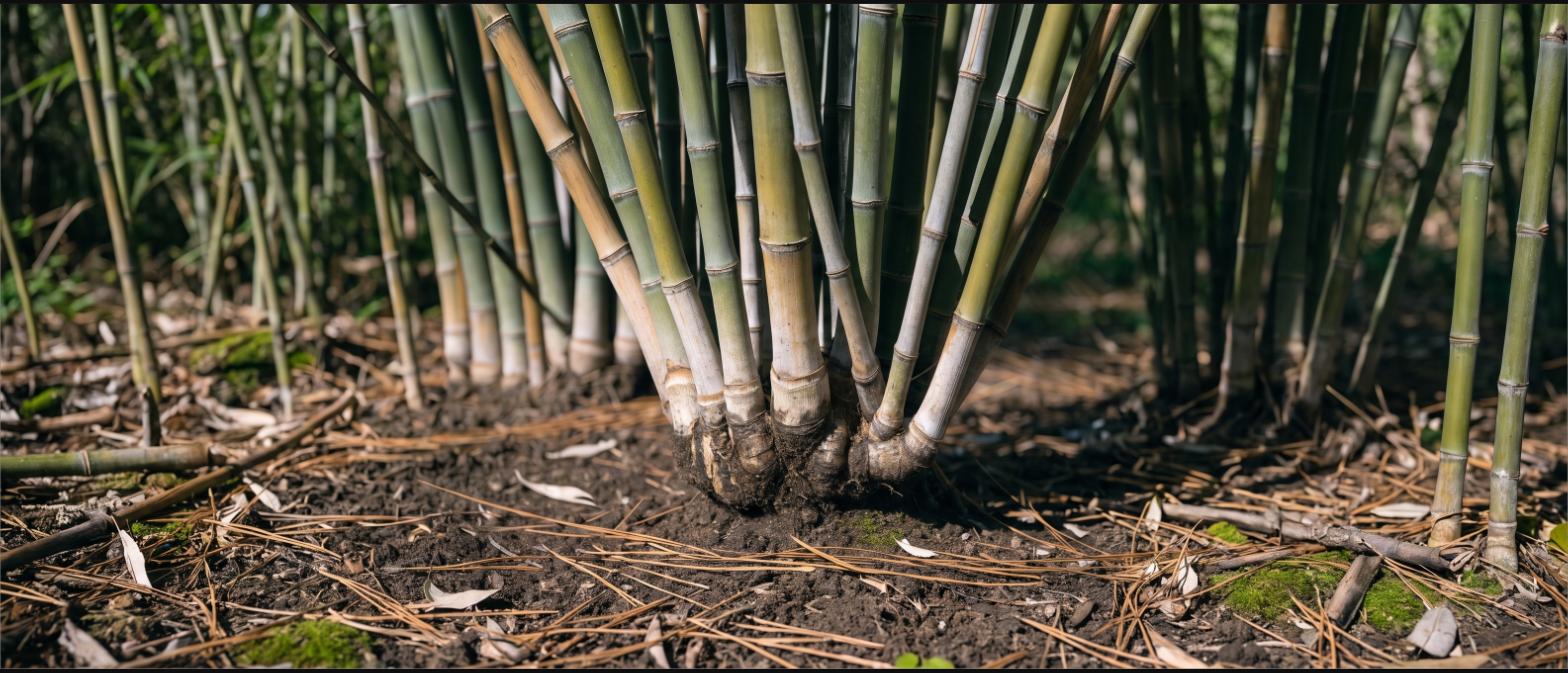

Watch: How to Plant Clumping, Screening Bamboo in the Ground (YouTube)
Now the Honest Part About Our Winters
The Munger corridor runs through roughly USDA zones 4a and 4b, with colder pockets away from Lake Superior. Most of the hardy clumping bamboos, the Fargesia group, are rated to somewhere around twenty below. That makes them workable in a sheltered spot near Duluth and genuinely marginal further inland toward Hinckley.
If you try it, site the planting out of the winter wind and away from bright afternoon sun on frozen days, mulch the root zone heavily, and water thoroughly right up to freeze-up. Expect some leaf burn most winters. And be realistic: if you are in a cold pocket, a row of Techny arborvitae or Black Hills spruce will give you the same screen with none of the anxiety, and no risk to the corridor.
Plant for the Long View
Whatever you choose, plant it well back from the trail easement and give it room to mature. A screen you can live with for twenty years beats a quick fix you spend those years fighting.